

Understanding How Fire and Water Intersect in Damages
When a fire occurs, the damage does not stop with the flames. Water used to extinguish the fire can cause significant harm as well. This dual impact results in complex restoration needs. Techniques for managing water damage after a fire are vital for safeguarding your property. Understanding these processes ensures better outcomes during recovery.
The Impact of Water on Fire-Damaged Properties
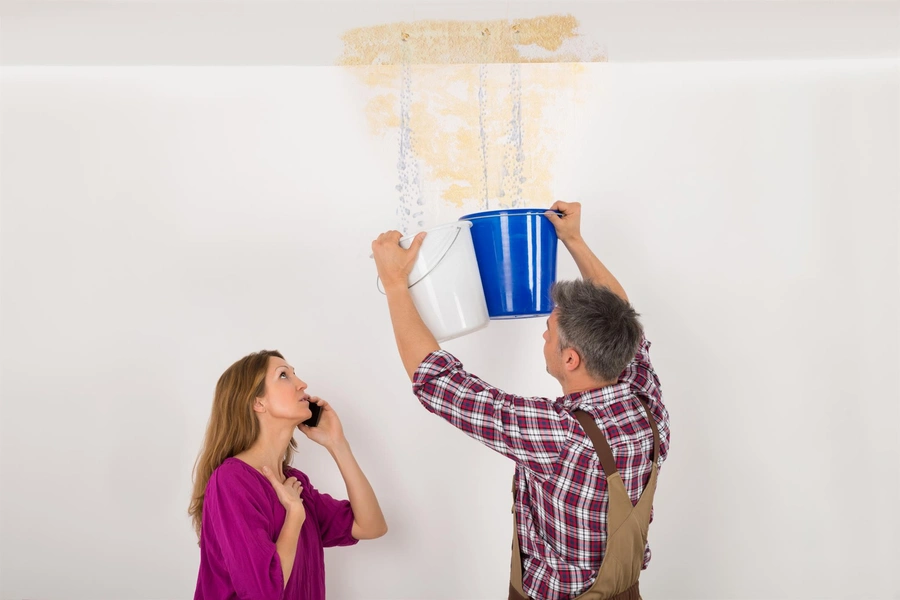
After a fire, properties often face challenges beyond smoke and soot. The water used to fight the fire seeps into walls, floors, and belongings, causing further damage. A water damage restoration service is crucial to mitigate these issues effectively. They focus on drying, cleaning, and restoring affected areas quickly to prevent mold growth and structural concerns.
How Professionals Handle Initial Assessments
A thorough assessment lays the foundation for effective restoration. Experts inspect the extent of both fire and water damage. They determine which items can be salvaged and what must be replaced. During this phase, a Water Damage Restoration Service prioritizes comprehensive evaluations to develop an efficient action plan.
Key Techniques Utilized During Restoration
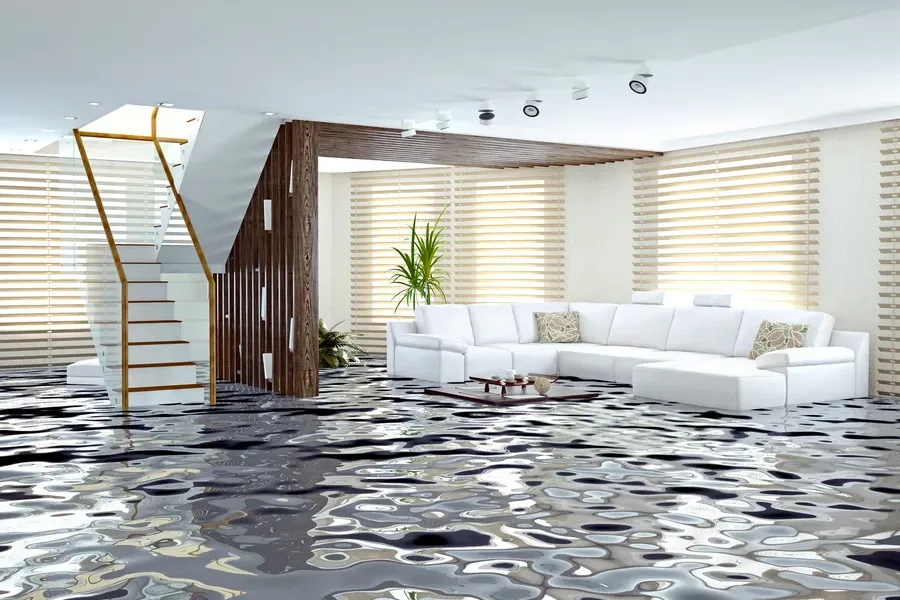
Restoration involves several specific techniques tailored to the unique situation of each fire incident. Some essential methods include:
- Water extraction: Removing excess water using pumps and vacuums.
- Drying and dehumidification: Using specialized equipment to dry out affected areas.
- Cleansing and sanitizing: Ensuring surfaces are free from contaminants.
- Mold remediation: Preventing and removing mold growth caused by moisture.
Common Challenges Faced During Restoration
Restoring a home or business after a fire poses many hurdles. These can range from dealing with lingering odors to addressing hidden water damage behind walls. Moisture trapped inside materials can lead to long-term structural problems if not addressed promptly. Moreover, timing plays a critical role in minimizing secondary damages.
Best Practices for Successful Recovery
Following best practices helps ensure efficient water damage restoration:
- Engage professional services immediately after a fire.
- Ensure all electrical systems are evaluated before use.
- Maintain clear communication with restoration teams regarding expectations.
- Regularly monitor progress and adjust plans as needed.
Industry Standards and Compliance in Restoration Efforts
Adhering to industry standards is essential for effective recovery. Restoration companies follow guidelines established by organizations like the Institute of Inspection Cleaning and Restoration Certification (IICRC). These standards ensure safety, quality control, and environmental responsibility throughout the process.
Navigating Cost Considerations
The cost of restoration varies based on several factors such as extent of damage, materials required, and duration of the project. Insurance policies often cover parts of the costs associated with fires and subsequent water damages. It’s important to understand coverage details and work closely with insurers to manage expenses effectively.
Your Path Forward With Professional Help
If you experience fire-related water damage in Fresno, CA, expert help is just a call away at (559) 291-7006. Our team at All American Construction specializes in comprehensive recovery strategies designed to restore your property efficiently. Let us guide you through this challenging time with our expertise and commitment to quality service.